Mold keeps coming back? Find the moisture before you clean
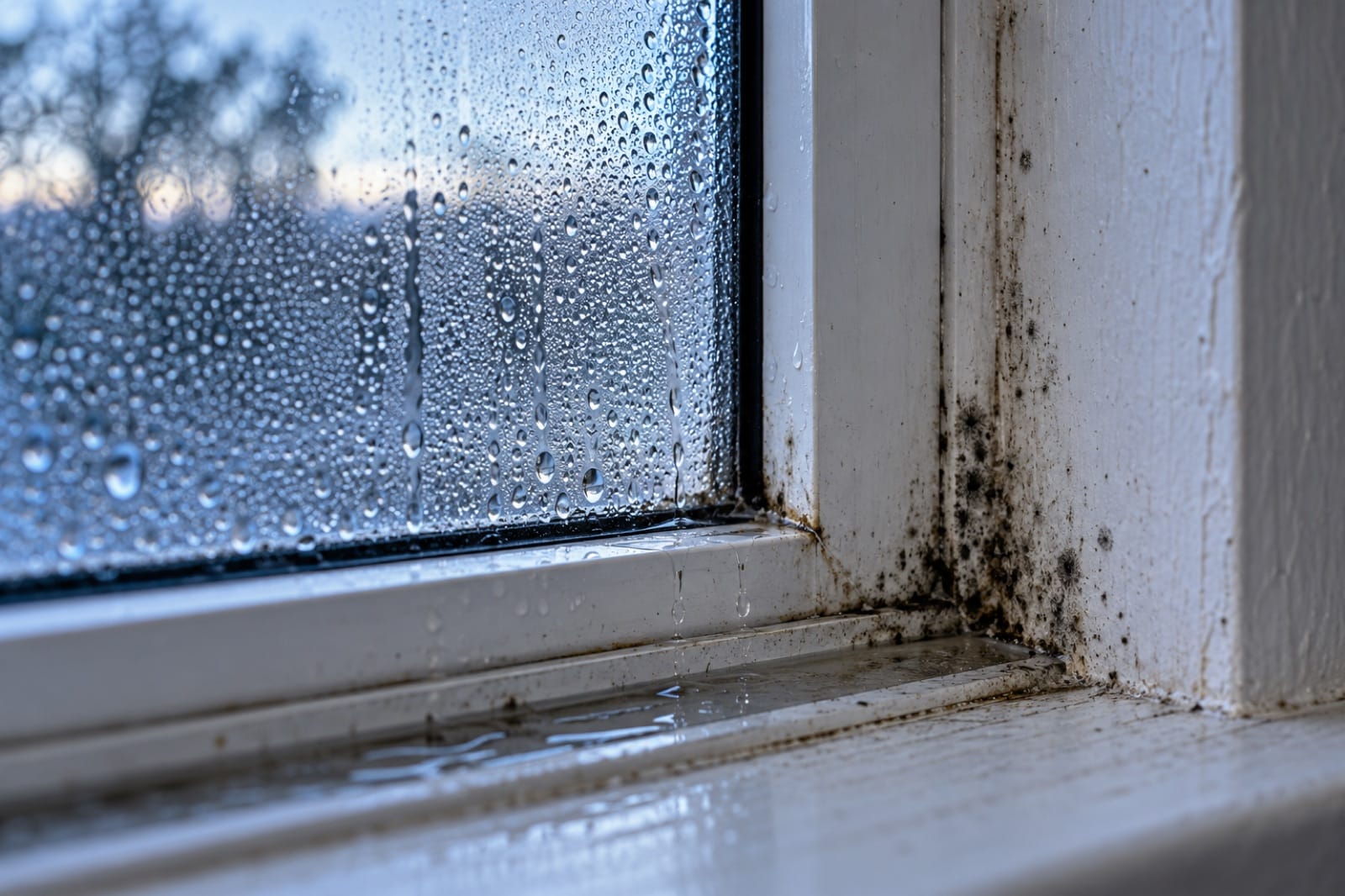
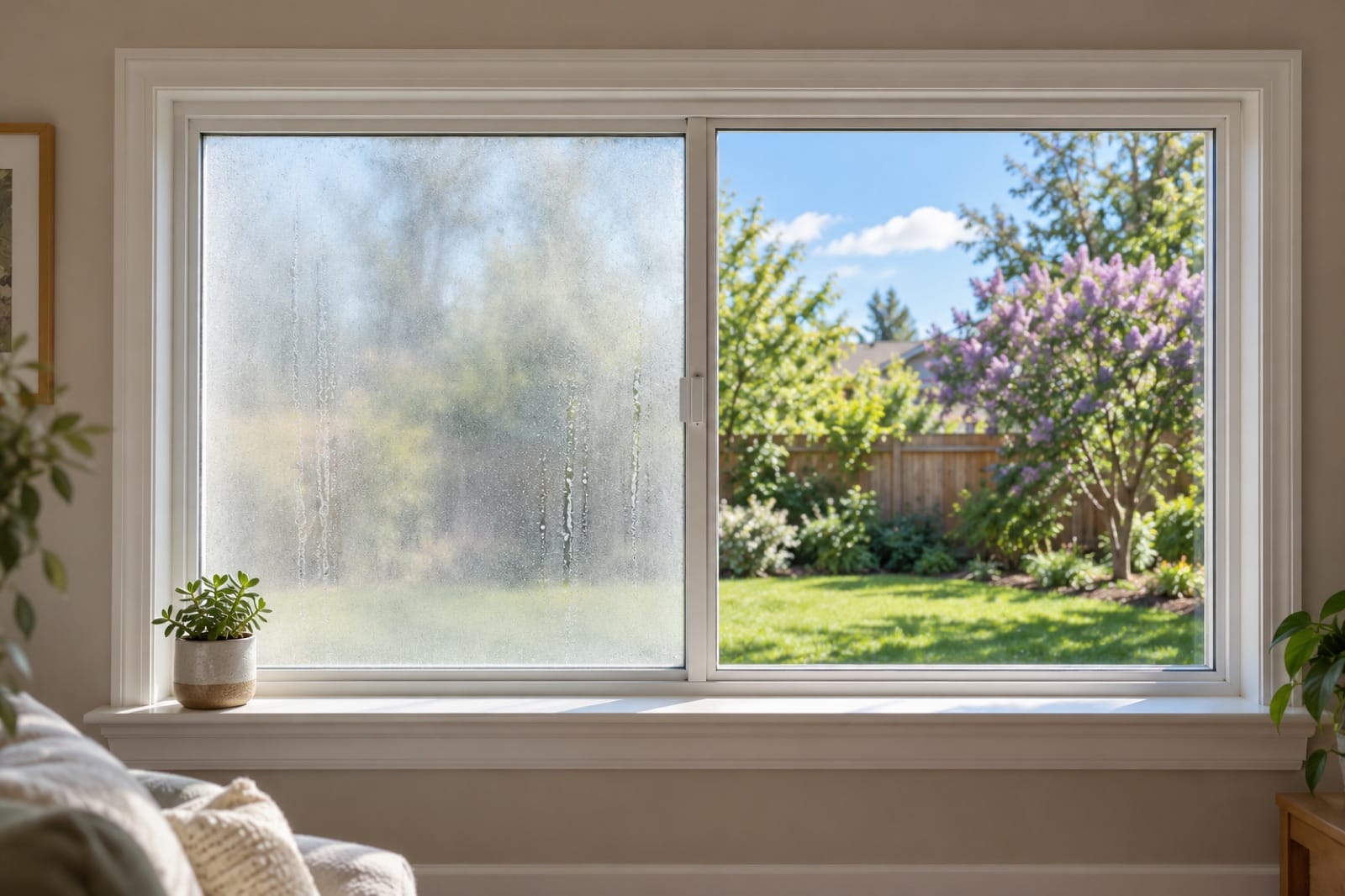
Black spots in the corner of the bedroom ceiling, a musty closet, a window that streams with water every winter morning. You clean it, and three weeks later it's back.
Short answer: Mold keeps coming back because cleaning removes the mold, not the moisture it grows on. The water almost always comes from condensation, a leak or damp getting in from outside. Find which one with a thermal camera and a moisture meter, fix that cause first, then clean.
To get rid of it, you need to know where the water comes from. Each of the three causes leaves a different pattern. Here's how to tell them apart with a thermal camera, a moisture meter and, if needed, an inspection camera.
Mold keeps coming back: which of the three causes is it?
| Cause | Where you usually see it | How it behaves |
|---|---|---|
| Condensation | Cold corners of exterior walls and ceilings, behind closets and beds, window frames, bathrooms | Worse in winter and in the morning; surface damp that comes and goes |
| A leak | Near plumbing, under bathrooms, around the roof and gutters | Spreads from one point; there all year; gets worse after rain or when water is used |
| Rising or penetrating damp (ground or rain water soaking into the wall) | The bottom of walls in brick homes, up to about 3 feet; outside walls next to garden beds | A band along the bottom of the wall, often with a tide line and white salt crust |
Most homes have condensation to some degree. Leaks and rising damp are less common, more serious, and need a different fix.
1. How do you find the source of mold?
Start with the cold surfaces (10 minutes). Condensation forms where warm, moist air from inside touches a cold surface. A thermal camera shows those surfaces directly.
Scan on a cold morning, before you open the windows:
- Ceiling corners on exterior walls, where the insulation often doesn't reach.
- Behind closets, beds and couches pushed against exterior walls. Pull them out a little and scan the wall behind.
- Window frames and trim, especially aluminum frames, which get very cold.
- The bathroom ceiling and the wall around the exhaust fan.
A cold patch that matches where the mold grows means condensation is a big part of the story. You can fix that from the inside.
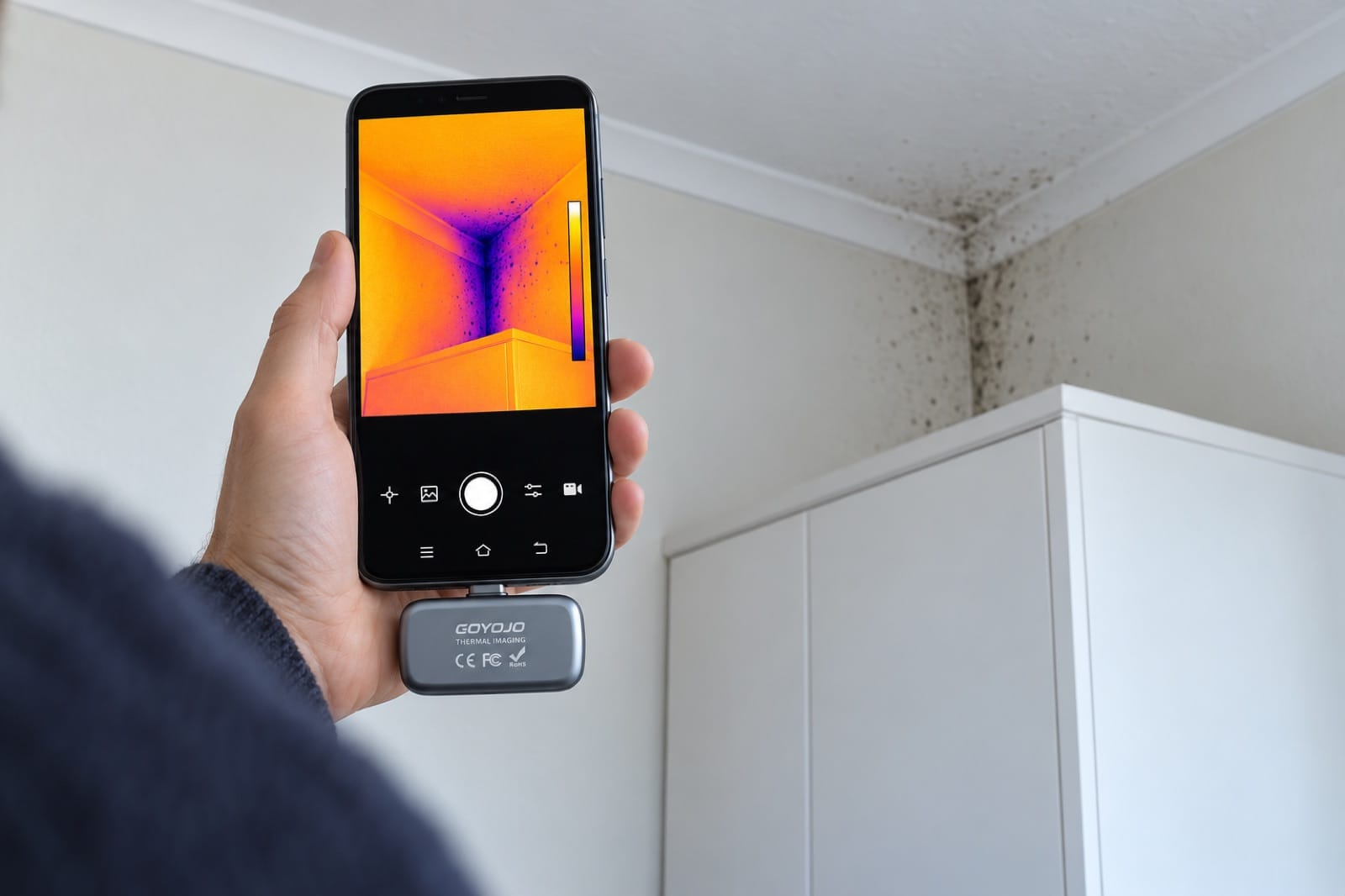
Illustration: the coldest corner of the room is where condensation forms first — and where the mold is.
With Spark Pro you can scan a whole bedroom ceiling and the wall behind a closet from the middle of the room. The temperature differences here are often just a degree or two, so the extra detail helps. If the colors are new to you, see how to read a thermal image.
2. How wet is the wall really?
A cold surface isn't always a wet one. A moisture meter like Damp tells you how wet the wall actually is, 5–40 mm under the surface, and the pattern of readings tells you the cause. Our guide to pinless moisture meters explains how to get steady readings.
- Take a reading on a dry, warm part of the same wall as your reference.
- Take readings across the patch, and write them down or photograph the screen.
- For rising damp: take readings up the wall every 8 inches from the baseboards. Rising damp reads highest at the bottom and drops off with height, often to normal by about 3 feet.
- For condensation: measure the same spot in the morning and again in the late afternoon. Condensation is mostly on the surface and changes with the weather and the time of day. A leak or rising damp stays wet.
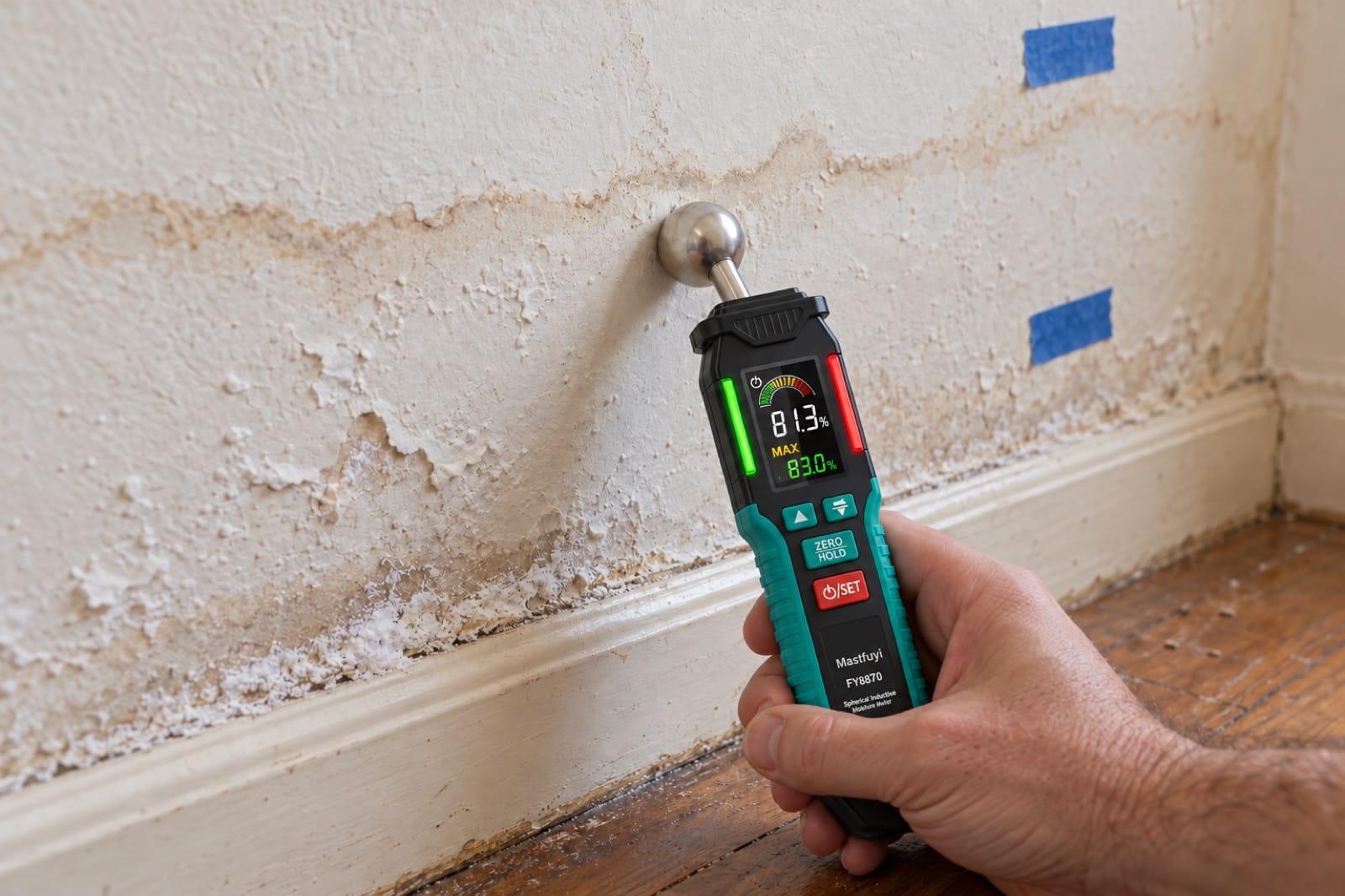
Illustration: rising damp reads highest at the bottom of the wall and drops off with height.
If one spot reads very high and the wet area is growing, go to our guide to finding a leak behind a wall. Around a tub or shower, this shower leak check is the better place to start.
3. Is water getting in from outside?
Rising and penetrating damp start outside. Set aside 15 minutes, walk around the house and look for:
- Garden beds, pavers or soil piled high against the wall. Many brick walls have a moisture barrier near the bottom, sometimes called a damp-proof course, that's meant to stop water climbing up. Anything piled above it lets water bypass it.
- Blocked weep holes, the small gaps in the bottom rows of brickwork that let water drain out of the wall cavity.
- Downspouts, faucets or AC drains emptying against the wall.
- Blocked crawl space vents. A crawl space without airflow keeps the floor and the walls above it damp.
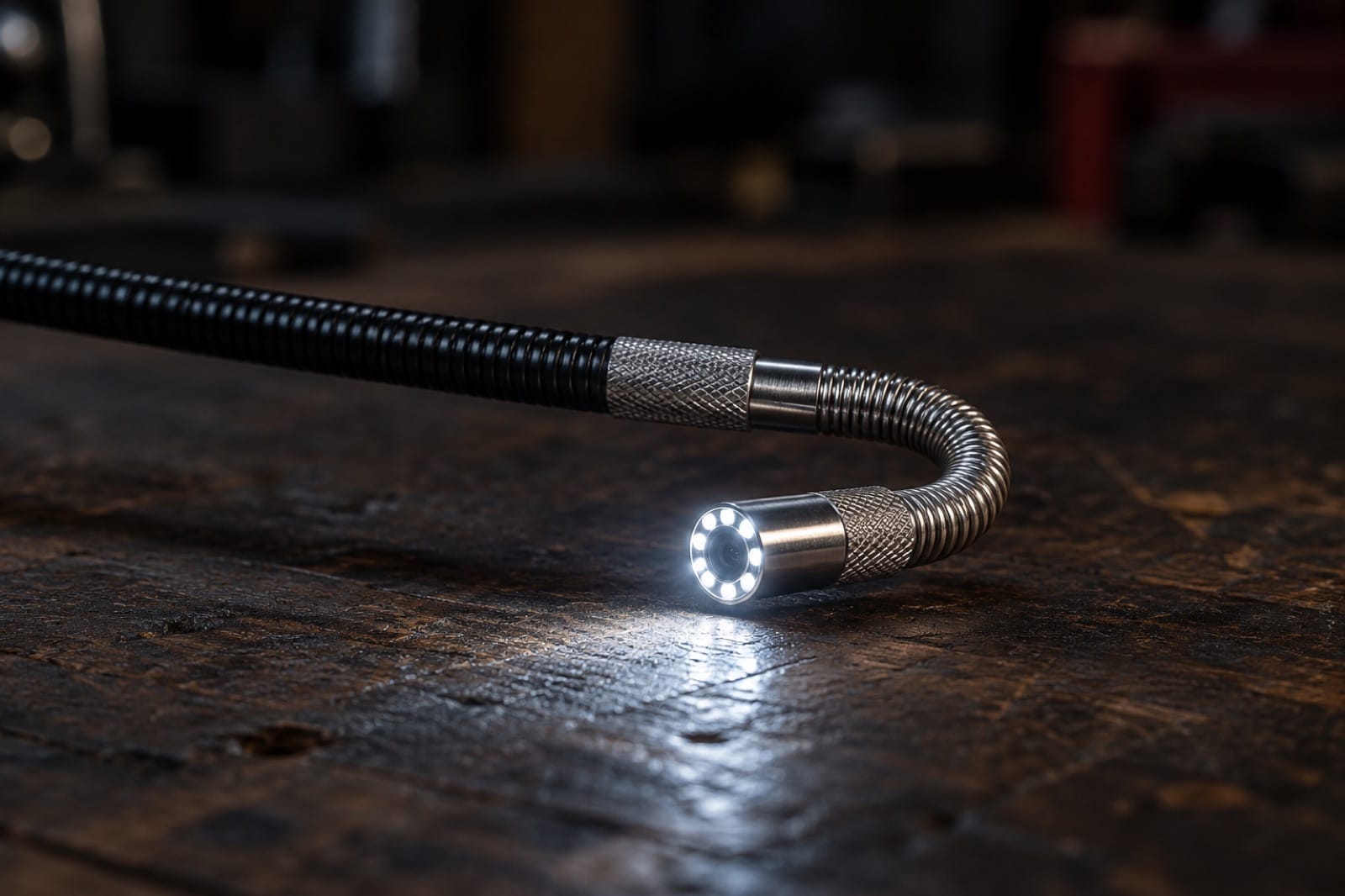
Weep holes and the cavity behind them are where an inspection camera earns its place. The 6.2 mm tip of Reach 360 fits into an open weep hole, and you can bend it to look up the cavity. Mortar droppings or rubble packed in the bottom of the cavity bridge the gap between the outer and inner walls and carry water across.
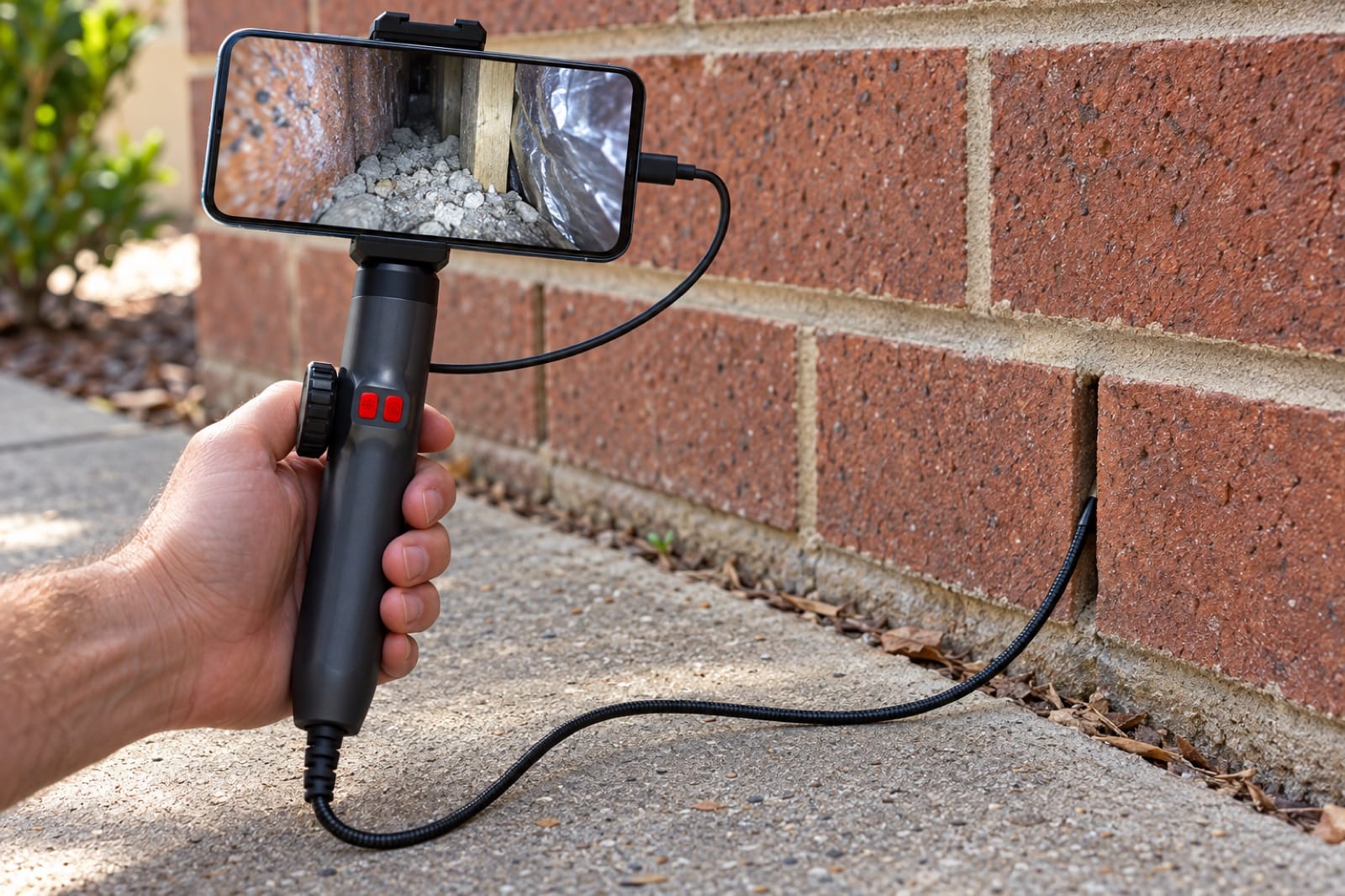
Illustration: mortar packed in the bottom of the cavity carries water from the bricks across to the frame.
4. How do you stop mold from coming back?
Fix the cause, then clean.
Condensation (usually DIY):
- Run the bathroom exhaust fan during every shower and for 15 minutes after, and check it's actually vented outside, not into the attic.
- Use the range hood when cooking, and dry clothes outside or in a vented dryer.
- Vent-free gas heaters put a lot of water vapor into the air: open a window a little when one is running.
- Leave a gap behind furniture on exterior walls, and open the curtains and windows for a while on dry days.
- Top up insulation gaps in ceiling corners.
Leaks: a licensed plumber for pipes, a roofer for the roof and gutters.
Rising and penetrating damp: clear soil and garden beds away from the walls, open blocked weep holes and crawl space vents, and redirect downspouts. If the moisture barrier itself has failed, that's a job for a contractor or a damp specialist.
Cleaning: scrub hard surfaces with detergent and water and dry them fully. Never mix bleach with vinegar or ammonia, because the fumes are toxic. Wear gloves and an N95 mask, and replace drywall that's badly affected rather than scrubbing it. For an area larger than about 10 square feet, which is the EPA's cutoff for doing it yourself, call a mold professional. Cleaning only lasts once the cause is fixed.
What should you check after the fix?
A repair can look finished while the wall is still wet, so don't repaint on the day the plumber leaves.
- Measure again in a week or two. Use the same spots and the same reference as before. Readings should keep dropping toward your dry reference. If they level off high, there's still water coming in.
- Scan on the next cold morning. A corner that's been insulated should be closer to the temperature of the rest of the wall.
- Watch the humidity. A cheap hygrometer in the problem room shows whether the fan and the airing are doing their job.
- Repaint last. Wait until the readings match the dry part of the wall.
A few mistakes keep the cycle going: painting over the patch, running a dehumidifier to hide a leak that's still there, or fixing the first cause you find without measuring whether it was the only one. If the source is still a mystery, this comparison of a thermal camera, a moisture meter and an inspection camera helps you choose the next check.
If you rent
Tell your landlord in writing, with photos, and say what you've found. Check your local rental rules: many of them treat damp from a leak, a failed moisture barrier or a building fault as the landlord's to fix. Condensation from how a room is used, like showering without the fan, usually isn't. Thermal photos and meter readings help show which one it is.
Frequently asked questions
Does painting over mold stop it?
No. Paint hides the stain for a while, but the moisture behind it is still there and mold can grow again under or through the new coat. Even mold-resistant paint only slows regrowth on a dry, clean surface. Fix the water source, clean the area, let the wall dry until it reads like the rest of the wall, and only then repaint.
Is it normal for mold to grow on a bathroom ceiling?
It's common, but it isn't something to live with. Showers put a lot of moisture into the air, and it condenses on the coldest part of the room, often the ceiling. A fan that's weak, switched off too soon or venting into the attic is the usual reason. If the spots sit in one place, check for a leak or an insulation gap above them.
What kills mold on ceilings?
Detergent and water will remove surface mold from a painted ceiling, and household mold cleaners work too if you follow the label. Killing it matters less than removing it and drying the surface, because dead mold can still stain and leave residue. If the drywall has turned soft or the patch is large, cleaning isn't enough, and that section may need replacing.
Why is mold growing on my furniture?
Furniture against an exterior wall traps still, moist air between the wood and a cold surface, so mold grows on the back first. Closets and rooms that are rarely aired are the usual places. Pull the piece a few inches off the wall, wipe it down and let it dry, then scan the wall behind it to see whether cold or damp is the real cause.
Why does black mold keep coming back in the same spot?
Because that spot is where the conditions are right, usually the coldest or wettest part of the room. Color alone won't tell you the type of mold, and the fix is the same whichever it is: find the moisture, stop it and clean. If it returns in the same place after cleaning, measure the wall there. If you have health symptoms, talk to a doctor.
The tools in this guide
Prices are on each product page, in your local currency.
- Spark Pro — finds the cold corners and surfaces where condensation forms, even when the difference is a degree or two.
- Damp — pinless moisture meter to tell condensation, leaks and rising damp apart.
- Reach 360 — looks into weep holes, cavities and subfloors.
All three together are our Whole Home Kit: find it with heat, confirm it's water, then look inside. 10% less than buying them separately.
Ready to find the cause? Order Spark Pro, or get the Whole Home Kit.